Planning a trip to Malaysia means preparing for two things: securing your visa, and preparing your stomach for a culinary adventure unlike any other. Forget what you think you know about Southeast Asian food. Malaysian cuisine isn’t just spicy or flavorful; it’s a dynamic, delicious narrative told on every plate, most famously through its incredible street food.
The smoky, savory, and complex dishes found at every hawker stall are not the result of chance. They are the product of centuries of history, generations of dedicated cooks, and a few “crazy secrets” that separate the best Malaysian food from everything else.
Ready to dive into the heart of Malaysian food culture? Let’s unlock the seven hidden techniques and traditions that make this the world’s ultimate foodie destination.
Why Malaysian Street Food Dominates the Global Food Scene (The Core Secret)
The simple answer to why Malaysian street food is a global phenomenon is its unparalleled diversity. It’s a genuine fusion cuisine—a result of the country’s history as a trading hub. Unlike modern “fusion” cooking, which might mix two distinct traditions, Malaysian food evolved organically over centuries, creating a rich cultural tapestry of flavor.
A True Cultural Melting Pot (Informational)
When you order a simple bowl of noodles, you are tasting three distinct culinary legacies:
- Malay: Known for aromatic spice blends, coconut milk bases, and grilling techniques.
- Chinese: Famous for its stir-frying prowess, noodle dishes, and soy-based sauces.
- Indian: Bringing fiery curries, flatbreads (Roti Canai), and intricate use of dry spices.
The delicious offspring of this blending is Nyonya Cuisine (or Peranakan), a unique combination of Chinese ingredients with traditional Malay spices and cooking methods. It’s the original fusion food, and it’s why a spoonful of Laksa can taste sweet, sour, spicy, and savory all at once. If you’re traveling to Malaysia, understanding this melting pot is the first step toward appreciating its cuisine.
The 7 Crazy Secrets to Malaysia’s Street Food Perfection
The following secrets are the non-negotiable foundations of any authentic Malaysian dish. They are the reasons why a hawker stall serving just one item can attract queues around the block.
Secret 1: The Cult of the ‘Wok Hei’ (Smoky Breath)
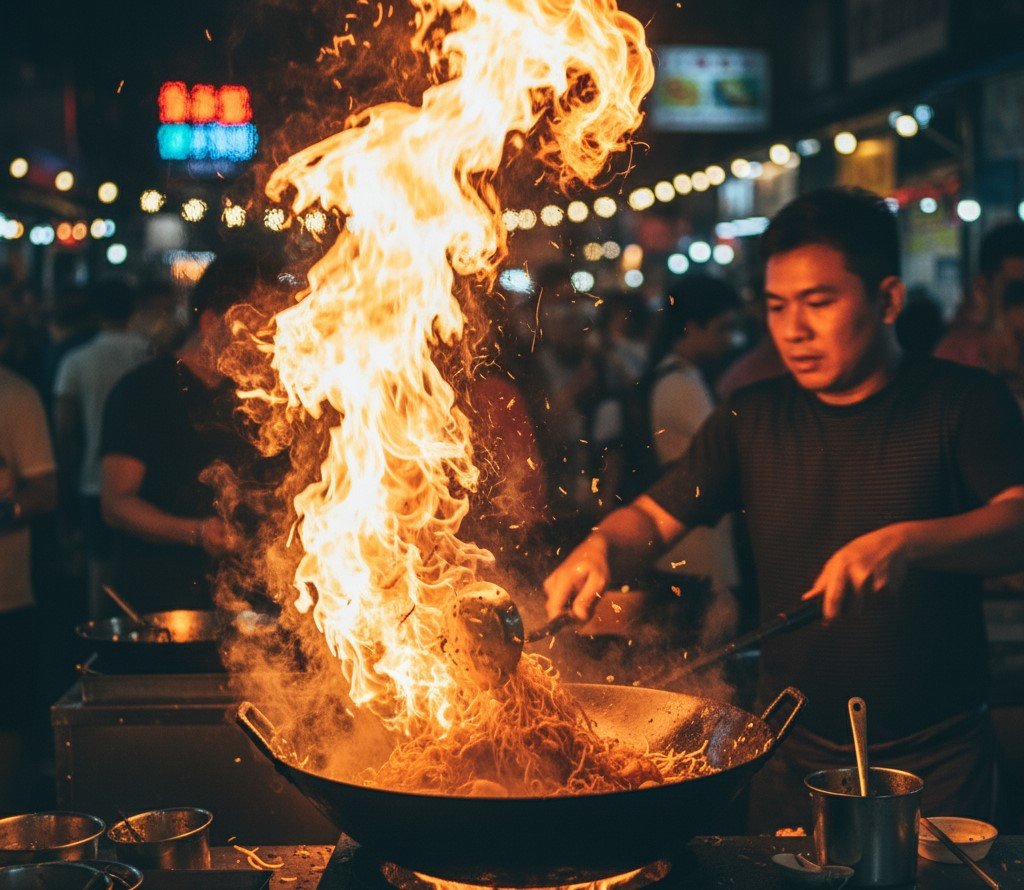
The first and perhaps most vital secret comes from the Chinese-influenced stalls and is the secret weapon of dishes like Char Kway Teow and Hokkien Mee. This is not a formal ingredient; it’s a flavor concept known as “Wok Hei” (literally “the breath of the wok”). It refers to the subtle, smoky, intensely savory taste imparted when food is stir-fried in a very thin, seasoned carbon steel wok over an incredibly high-powered flame. The heat is so intense that minute traces of oil and flavor vaporize and coat the food. A true hawker master uses high flames, constant motion, and precise timing to achieve the perfect Wok Hei—a flavor that is impossible to replicate in a home kitchen or standard restaurant setting.
Secret 2: Hand-Grinding the ‘Rempah’ (Spice Paste)
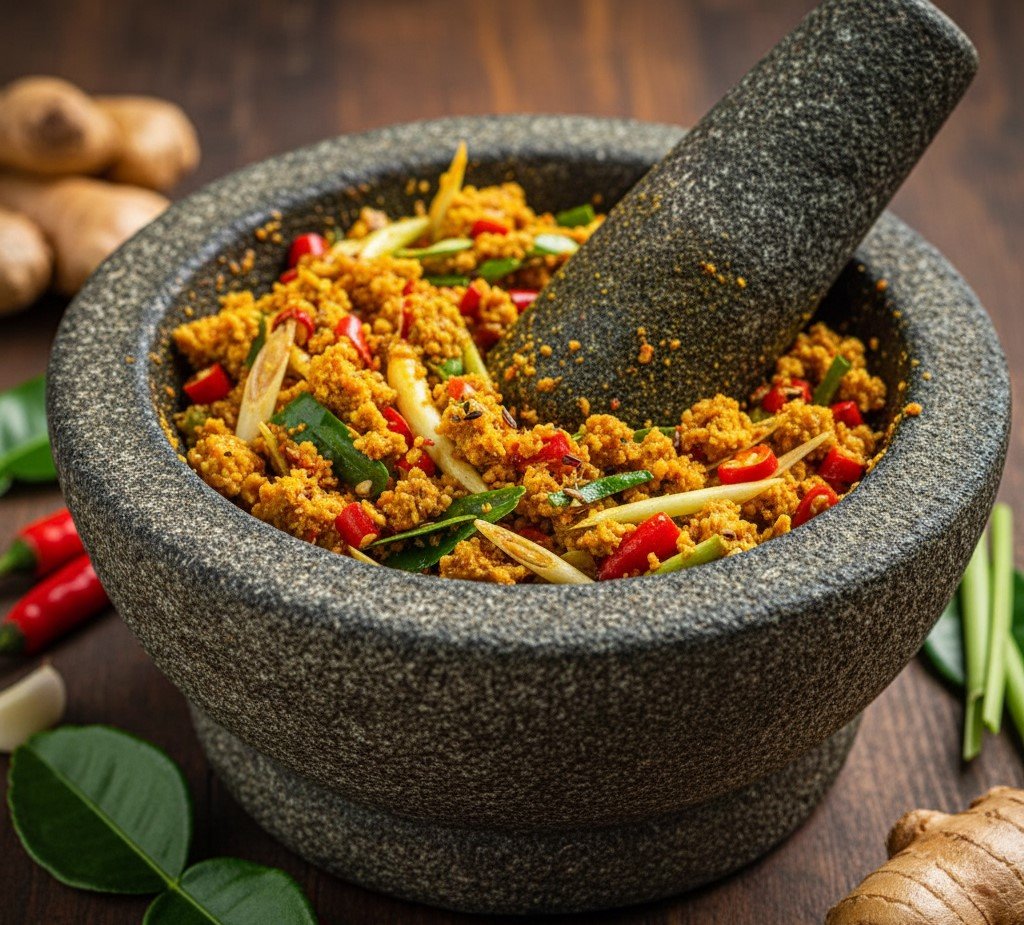
While most Western cooks use pre-ground spices, the key to the aromatic depth in many Malay and Nyonya dishes is the fresh spice paste, or Rempah. This complex blend of wet ingredients—shallots, ginger, chili, lemongrass, galangal, turmeric—must be ground by hand using a stone mortar and pestle (lesung batu). This traditional process, which can take up to an hour, releases the essential oils and moisture from the ingredients in a way that blenders simply cannot match. The resulting paste forms the soul of a good curry, Rendang, or Sambal. The potent flavor of the toasted shrimp paste, belacan, is often added to the rempah for an extra layer of umami depth.
Secret 3: The Humble Banana Leaf Wrapper
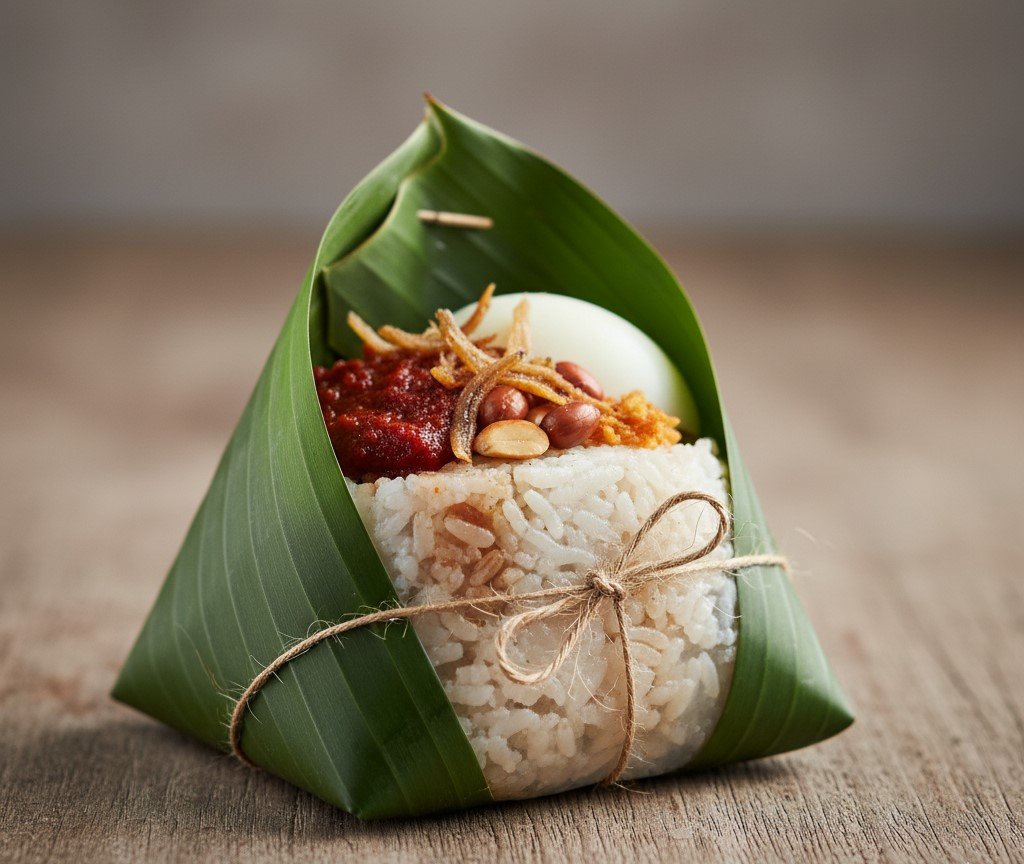
Before plastic and paper, the banana leaf was the original sustainable and essential takeaway packaging. But it’s more than just a wrapper—it’s an integral cooking tool. The leaf is used to wrap food before grilling or steaming (like Ikan Bakar or the fish cake Otak-Otak), imparting a subtle, grassy, and floral aroma to the dish as it heats up. Even the iconic national dish, Nasi Lemak, is traditionally served in a small pyramid of banana leaf, which infuses the fragrant coconut rice with its earthy scent. This simple secret adds an authentic, foundational layer of flavor to the Malaysian food culture.
Secret 4: Generational Specialization
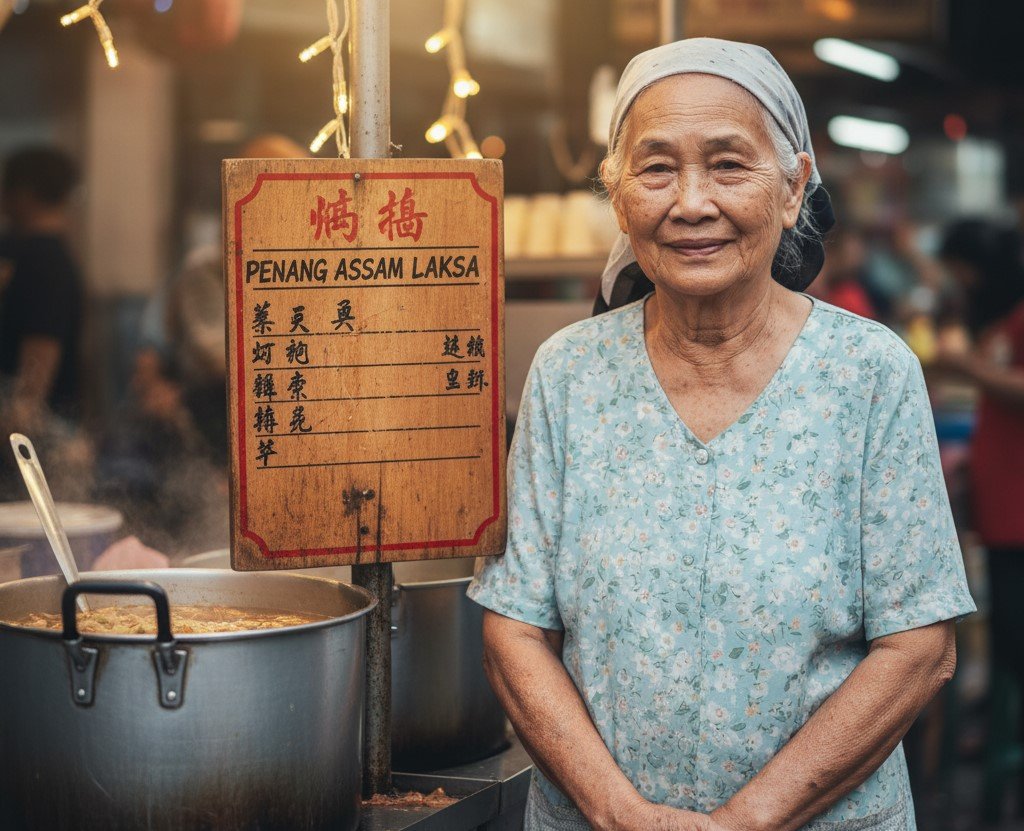
In many countries, street vendors sell a wide range of popular dishes. In Malaysia, particularly in places like Penang, the opposite is true. The true secret is the single-dish focus. Many of the most legendary hawkers, affectionately known as uncle or aunty, have been making the exact same dish for fifty years or more, perfecting a recipe passed down through their family. They don’t offer variety; they offer perfection. This hyper-specialization—whether it’s one type of Curry Mee or just Satay—guarantees consistent, high-quality flavor and fosters a deep respect for the craft. Locals know exactly which stall to visit for their favorite version of a classic, showcasing the importance of hawker centres as living food museums.
Secret 5: Coconut Milk’s Unbeatable Creaminess
The tropical location of Malaysia means abundant access to fresh coconuts. In much of Malay cuisine, fresh coconut milk (santan) is not just an ingredient; it is the rich, creamy foundation. Dishes like Laksa (Curry Laksa, specifically) and slow-cooked meat like Rendang rely on the thick, fresh-pressed milk to carry the complex heat of the rempah. The rice for Nasi Lemak gets its namesake “lemak” (rich/fatty) quality from being steamed in this coconut milk, often with pandan leaves, creating a dish that is both rich and ethereal. This staple ingredient is key to achieving that signature bold yet comforting flavor profile.

Secret 6: The 24-Hour Mamak Culture
The influence of the Muslim Indian (Mamak) community is one of the most underrated secrets. Mamak stalls are the social and culinary backbone of Malaysia, famous for their open-air, late-night service. This 24-hour food scene means you can grab a meal literally anytime, a huge boon for travelers and locals alike. Here, the flaky, crispy Roti Canai (often prepared with a theatrical stretching and tossing of the dough) is paired with rich curries, while the frothy Teh Tarik (pulled tea) is the national drink. This culture ensures a constant flow of freshly cooked, affordable meals, cementing street food as the default eating option.
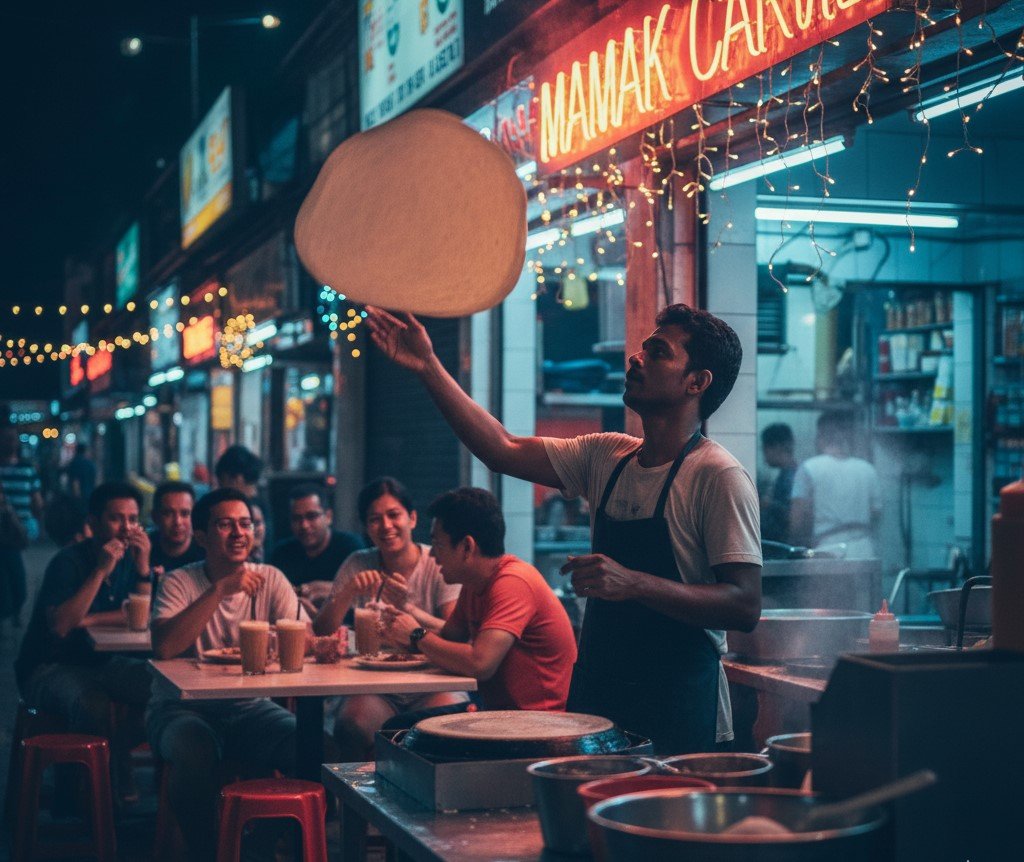
Secret 7: No Food Snobs Allowed (Affordability and Accessibility)
The final, beautiful secret is that the best food is democratic. The most delicious, most revered dishes are not hidden behind velvet ropes or exorbitant prices; they are found on the street, often costing less than a few dollars. This affordability and accessibility is woven into the fabric of Malaysian life. Everyone—from high-powered executives to students—eats at the same hawker centres and queues for the same legendary stalls. This constant high-volume demand ensures the ingredients are always fresh and the cooking techniques are never watered down. The system favors the best cooks, regardless of their setup, pushing the quality of Malaysian street food higher than almost anywhere else in the world.
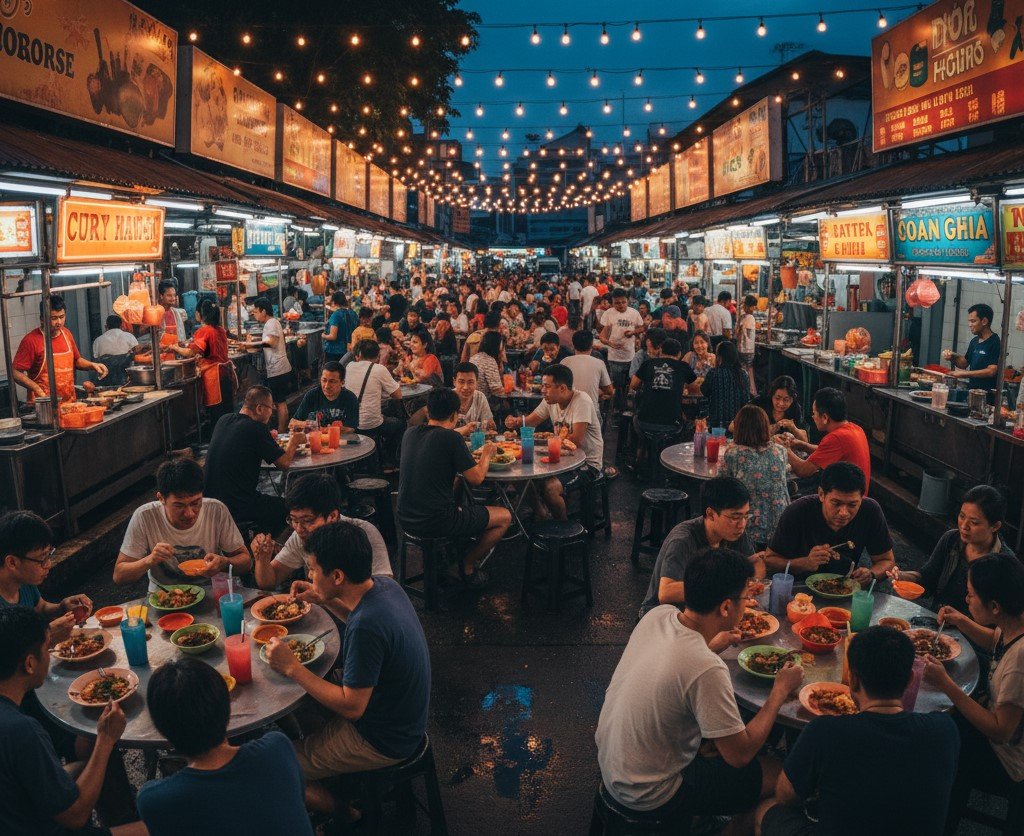
Where to Find the World’s Best Street Food (Transactional/Travel Intent)
Now that you know the secrets, you need to know where to start your adventure. The search for the ultimate street food experience usually boils down to two key cities.
The Street Food Capitals: Penang vs. Kuala Lumpur
While nearly every city has amazing hawker fare, two stand out for international food tourists:
- Penang (Georgetown): Often cited as the ultimate street food mecca. It’s the historical heart of the Nyonya influence and boasts an incredible concentration of multi-generational stalls. You must try the definitive sour-and-spicy Assam Laksa here.
- Kuala Lumpur (KL): The vibrant capital offers sheer volume and diversity. Head to places like Jalan Alor Night Market for a sensory overload of options, from charcoal-grilled seafood to desserts like Cendol. KL’s scene is a non-stop, 24-hour celebration of every cuisine in the Malaysian food culture.
Planning Your Malaysian Food Adventure
If you are a foodie, a trip to Malaysia is a life goal. The beauty of this cuisine is that it caters to all tastes, whether you prefer the rich, savory depth of Beef Rendang or the light, tangy spice of a soup.
Essential Tips for First-Time Food Tourists
- Follow the Queue: In Malaysia, the line is the best review. If locals are waiting, the food is worth it.
- Cash is King: While some modern hawker centres accept cards, many legendary single-item stalls are cash-only. Keep small Ringgit notes handy.
- Embrace the Communal Style: Most dishes are meant to be shared. Don’t be afraid to order several items to sample the range of flavors.
- Use Your Right Hand: When eating traditional Malay or Indian dishes, eating with your right hand is customary—and it’s the best way to mix your rice, sauce, and condiments.
Ready to taste the secrets for yourself? Experiencing the authenticity of Malaysian street food is a journey that starts with planning. From securing your travel documents to mapping out your hawker stalls route, every step brings you closer to what many consider the very best food on the planet.
Frequently Asked Questions (FAQs)
What is Malaysia’s national dish, and what are its components?
Malaysia’s national dish is Nasi Lemak. Its main component is rice cooked in rich coconut milk and pandan leaves. It is traditionally served with a spicy chilli paste (sambal), fried crispy anchovies, roasted peanuts, cucumber slices, and a hard-boiled or fried egg.
Where are the best places to find authentic Malaysian street food?
The two best cities for authentic Malaysian street food are Penang (especially Georgetown) and Kuala Lumpur (particularly the bustling Jalan Alor Night Market). These cities are home to countless hawker centres and Mamak stalls specializing in generational recipes.
What is the smoky flavor in Char Kway Teow and other stir-fried dishes?
The intensely savory, smoky flavor comes from a cooking phenomenon called Wok Hei (the “breath of the wok”). It is achieved by highly skilled hawkers who cook in thin woks over extremely high flames, vaporizing and coating the food with oil and flavor.
Is Malaysian food generally Halal?
The majority of food prepared by ethnic Malays is Halal due to their predominantly Muslim faith, meaning it adheres to Islamic dietary law. Many Chinese and Indian-Muslim (Mamak) stalls also offer Halal options, making it relatively easy to find suitable choices across the country.
What is the difference between Curry Laksa and Asam Laksa?
Both are popular noodle soups, but they differ significantly in taste: Curry Laksa is rich, creamy, and spicy due to its base of coconut milk and curry paste, while Asam Laksa is tangy, sour, and fish-based, deriving its sourness from tamarind (asam).