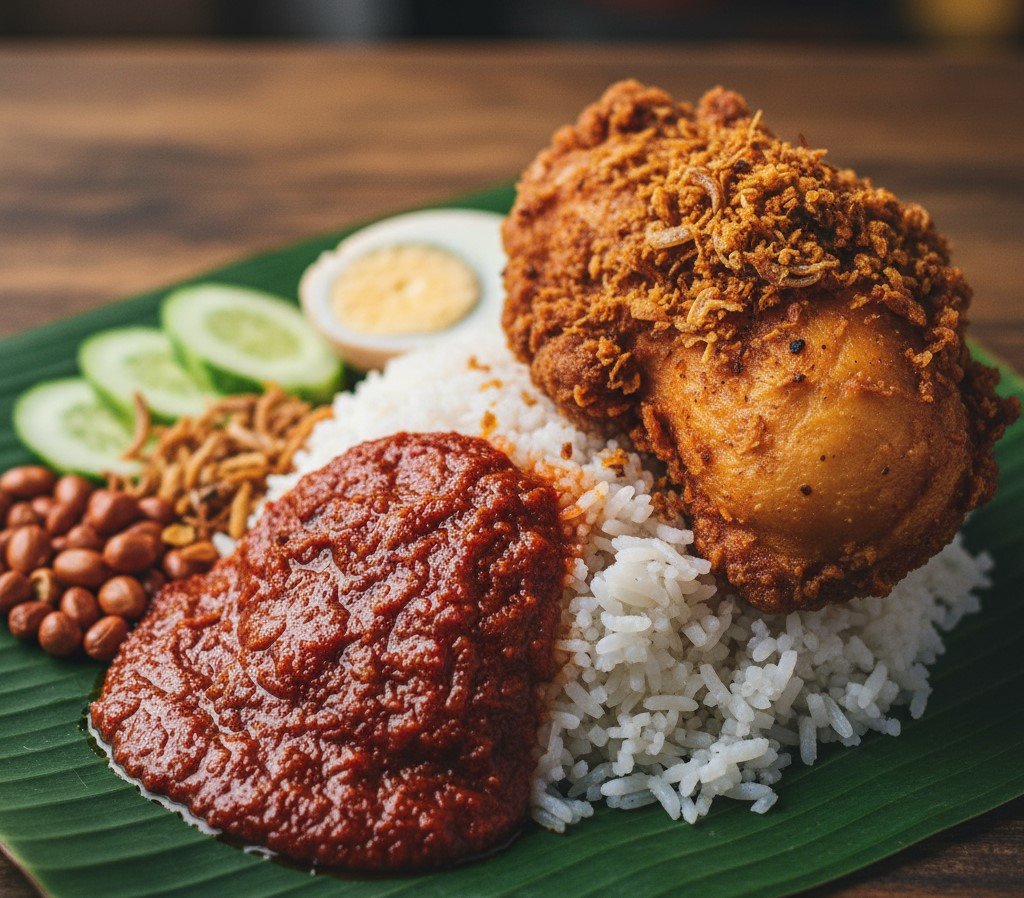
If there is one dish that instantly defines Malaysia, it’s Nasi Lemak. More than just a meal, it’s a cultural icon, a staple that graces tables from humble hawker stalls to upscale restaurants across the entire country. This seemingly simple combination of fragrant rice, fiery chili paste, and savory toppings is the ultimate comfort food—and it is arguably best enjoyed in the bustling heart of the nation: Kuala Lumpur or KL.
But here’s the million-dollar question for any true foodie travel guide: Where do you find the absolute best Nasi Lemak in KL?
The answer is subjective, wrapped in local lore, and hotly debated over many plates of coconut rice. Whether you’re a tourist hunting for an authentic traditional Malaysian breakfast or a local seeking the perfect sambal tumis, this comprehensive KL Street Food guide is your definitive resource. We’ll dive deep into the dish’s essential components and navigate the city’s most iconic and hidden gems.
The Three Pillars of Nasi Lemak: What Defines the Best?
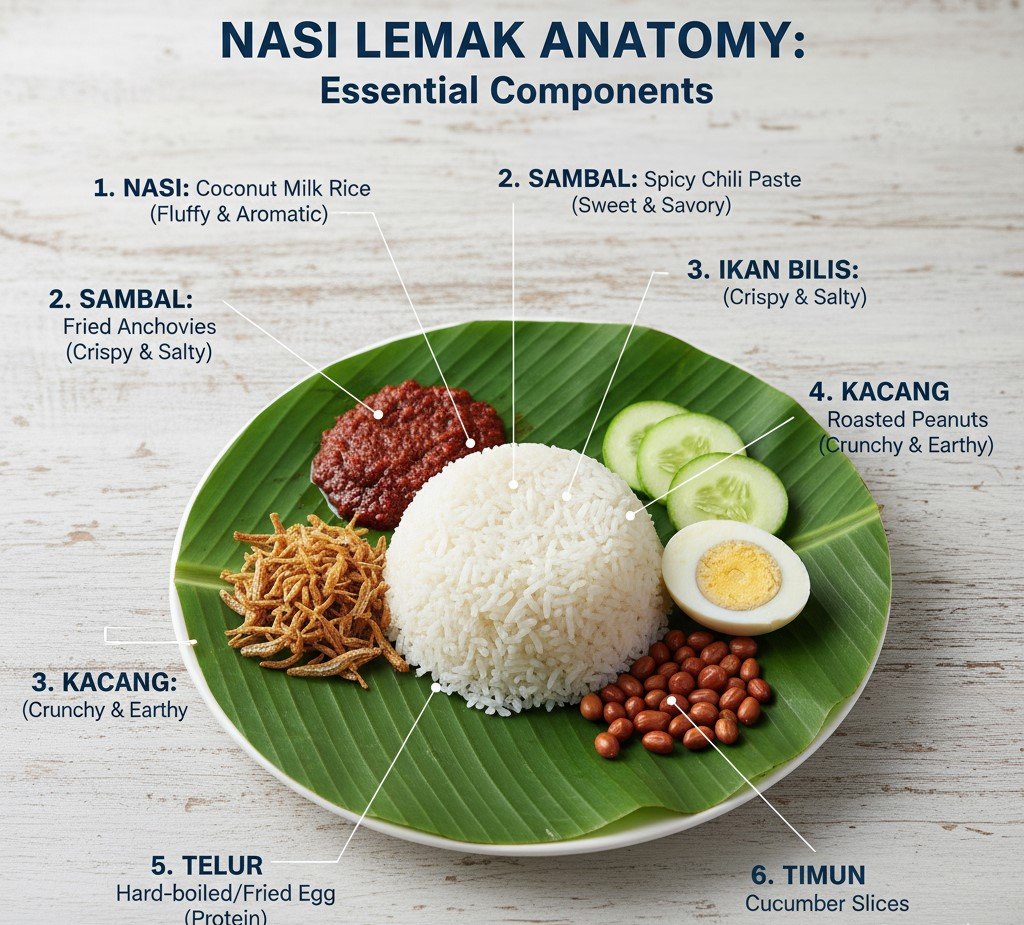
To truly appreciate the quest for the best, you must first understand what makes this dish exceptional. The National Dish of Malaysia is built upon three non-negotiable pillars. When you order your plate, this is what you should look for:
The Fragrance: Nasi (Coconut Rice)
The soul of the dish is the Nasi (rice). It must be cooked not just with water, but with rich coconut milk (santan) and knotted pandan leaf. The resulting grain should be fluffy, separate, and intensely aromatic. A master chef will achieve a perfect balance—rich enough to impart the lemak (rich/creamy) flavor, but light enough not to feel greasy. The quality of the coconut rice is the benchmark for any great plate.
The Fire: Sambal Tumis (Chili Paste)
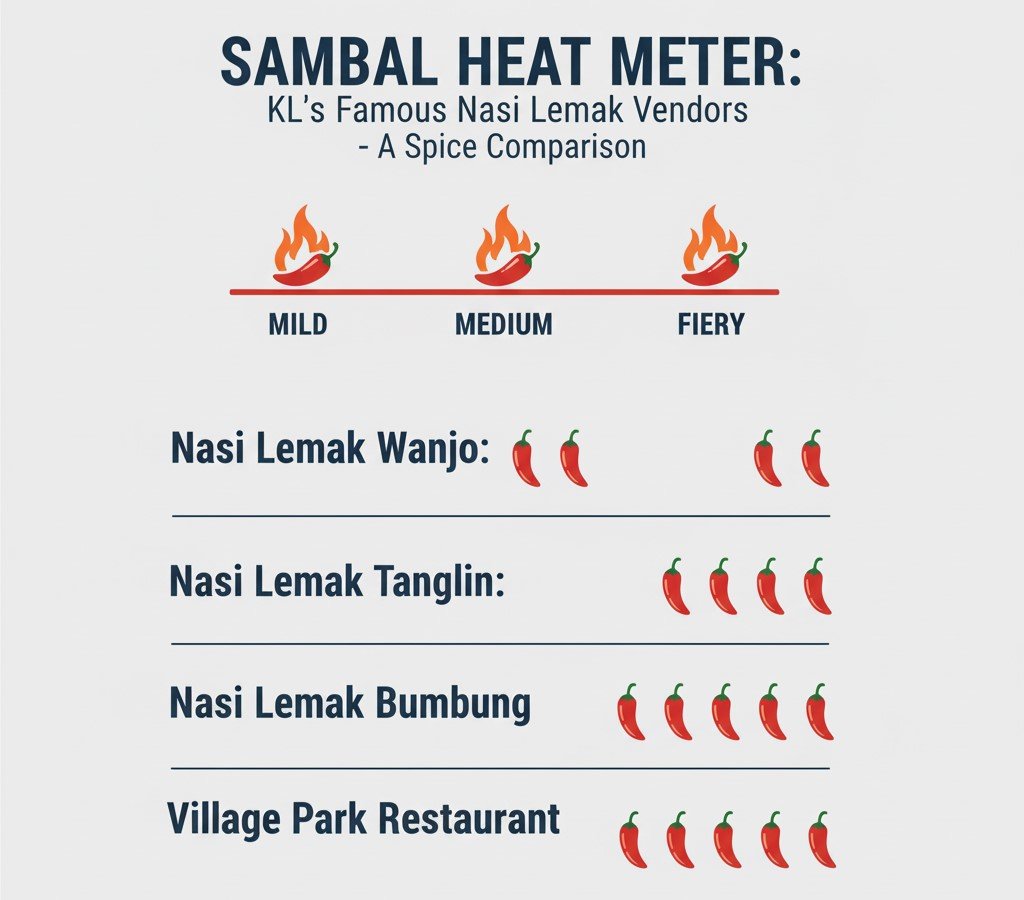
The sambal is the spicy heart of Nasi Lemak. This chili paste is meticulously prepared, often slow-cooked for hours to achieve a deep, caramelized flavor (tumis). A good spicy sambal should be sweet enough to lure you in, savory enough to keep you eating, and fiery enough to leave you craving more. Every vendor’s sambal is their unique signature, ranging from intensely sweet to savory and raw, often incorporating tamarind and anchovy paste for depth.
The Crunch: Ikan Bilis, Kacang, and Cucumber
These humble ingredients provide the essential textural contrast. You need perfectly crispy, tiny fried anchovies (ikan bilis) and crunchy roasted peanuts (kacang) to cut through the richness of the rice and the heat of the chili. Finished with cool slices of cucumber and a hard-boiled or fried egg, these are the indispensable sidekicks that complete the traditional flavor profile.
Top Contenders: KL’s Most Famous Nasi Lemak Restaurants
When searching for the Best Nasi Lemak Kuala Lumpur, a few names inevitably rise to the top. These establishments have mastered the formula, attracting massive crowds and national attention.
Village Park Restaurant (Damansara Utama, PJ)
The Celebrity Favourite: Though technically located in Petaling Jaya (PJ), just outside of KL, Village Park Restaurant is essential to any KL Nasi Lemak guide. Famous for its queue-inducing success, this spot is celebrated for its Ayam Goreng Berempah—a perfectly spiced, crispy, and juicy fried chicken that many consider the best topping in the region.
- Why it ranks: Consistent quality, excellent rice, and the legendary fried chicken.
- Location: 5, Jalan SS 21/37, Damansara Utama, 47400 Petaling Jaya, Selangor.
- Pro Tip: Go early to beat the lunchtime rush, which is notorious.
Nasi Lemak Wanjo (Kampung Baru)
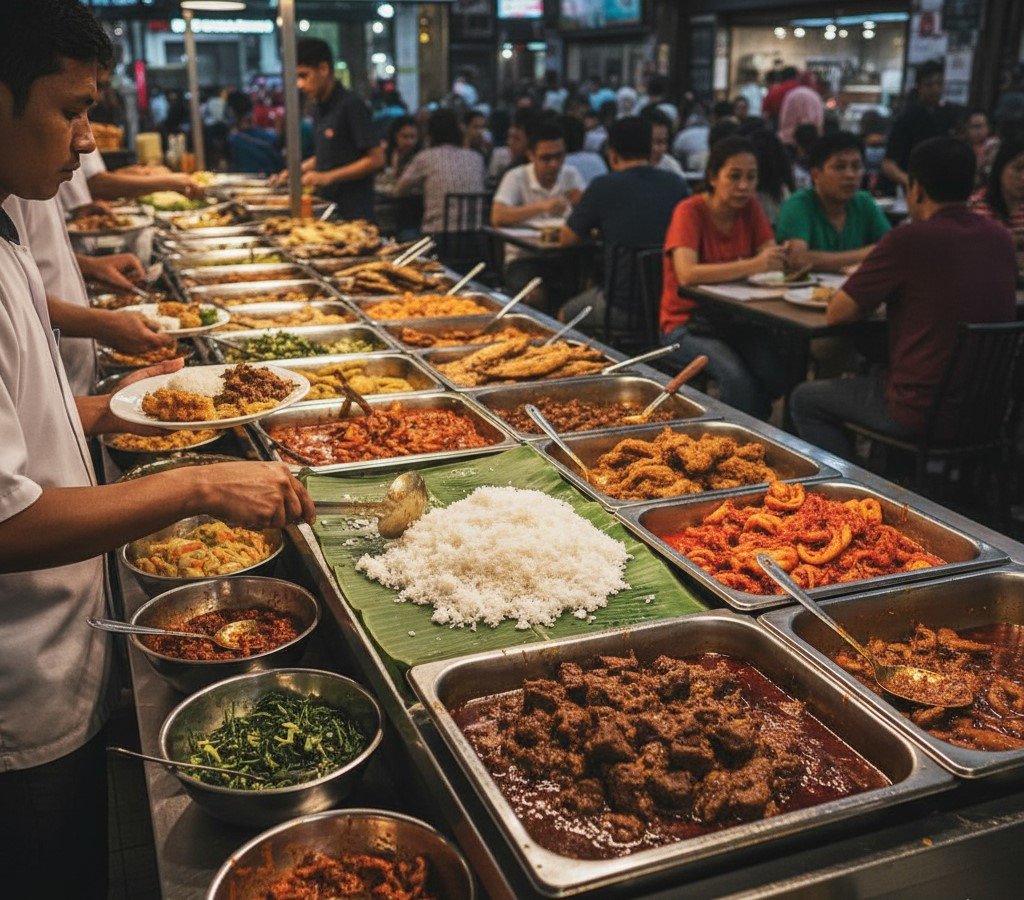
The Authentic & Central Legend: Nestled in the historic heart of Kampung Baru, Nasi Lemak Wanjo has been serving plates since 1963. It’s easily accessible and offers a grand, cafeteria-style experience. Their Nasi Lemak is highly regarded for its aromatic, lemak rice and wide selection of rich side dishes, particularly their Beef Rendang and flavorful Sambal Sotong (squid). Wanjo’s sambal is known to lean towards the sweeter side, perfectly balancing the heat.
- Why it ranks: Generous portions, rich rendang, and a bustling, authentic atmosphere.
- Location: Easily accessible near the Kampung Baru LRT station.
The Roadside & Hidden Gems: Authentic Hawker Nasi Lemak
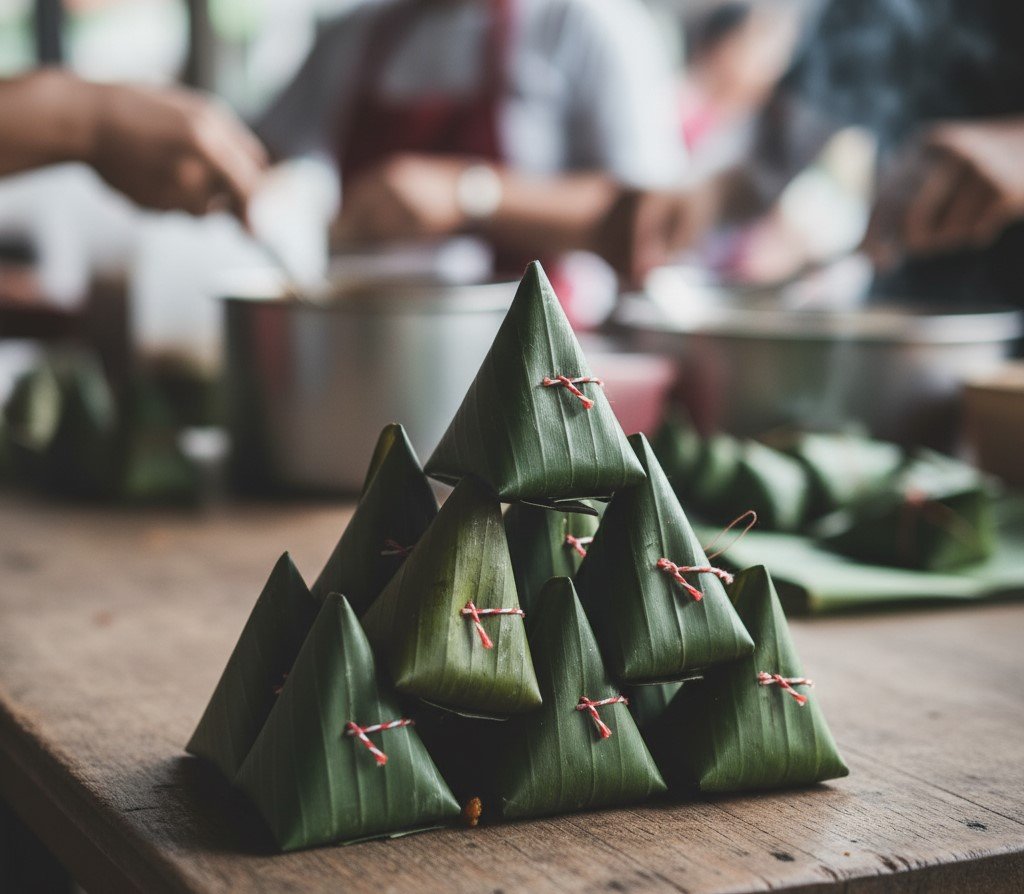
For many Malaysians, the true soul of the dish lies in the roadside hawker stalls—often sold in small packets (bungkus) wrapped in a banana leaf.
Nasi Lemak Tanglin (Kompleks Makan Tanglin)
The Unbeatable Legacy: Established in 1948, Nasi Lemak Tanglin is one of the oldest and most respected names in the game. Found in the Kompleks Makan Tanglin food court, this stall attracts loyal customers who start queuing from 7:30 AM. Their reputation is built on pure tradition: perfectly steamed rice and a deep, savory sambal paired with a host of traditional Malay curries and stews.
- Why it ranks: Historical significance, traditional taste, and customizable side dishes.
- Location: Kompleks Makan Tanglin, near the Lake Gardens.
Nasi Lemak Bumbung (Seapark, PJ)
The Late-Night Supper Spot: Tucked away in a back alley in Seapark, Petaling Jaya, Nasi Lemak Bumbung is the definitive spot for satisfying those late-night cravings. They specialize in the classic Nasi Lemak with a fried egg, runny yolk included, and a delicious, slightly oilier sambal that packs a punch. It’s a quintessential KL Street Food experience.
- Why it ranks: Famous late-night hours, signature fried egg, and a lively, informal setting.
Beyond the Standard: Regional & Creative Nasi Lemak Variations
Once you’ve tried the classics, it’s time to explore the creativity of Malaysian cuisine, where vendors push the boundaries of the national dish.
The Seafood Extravaganza: Sambal Sotong & Kerang
While the Ayam Goreng Berempah (fried chicken) is the standard protein, look for vendors offering rich Sambal Sotong (squid cooked in chili) or Sambal Kerang (cockles). These variations add a deep, oceanic umami flavor that elevates the dish to another level. Nasi Lemak Ujang Corner is often cited for its incredible Sotong dish.
Chinese-Style Nasi Lemak (A Hidden Sub-Culture)
For the adventurous palate, Chinese-run stalls offer unique, non-Halal variations. The most famous is often Nasi Lemak Peel Road in Cheras, known for its exotic side dishes like Wild Boar Curry and Pork Rendang. This blend of the iconic Malay dish with classic Chinese cooking flavors showcases the true Southeast Asian food melting pot. Note: Always check for Halal status if this is a requirement for your dining.
Planning Your Nasi Lemak Pilgrimage (Practical Tips)
Ready to start your Kuala Lumpur food hunt? Here are a few practical pointers to help you navigate the vibrant culinary scene.
Timing Your Visit: Breakfast is Best, but Supper is Legendary
- Breakfast Rush: The best Nasi Lemak bungkus (packets) are often sold in the early morning, sometimes selling out by 10 AM. This is the traditional Malaysian breakfast window.
- Lunch/Dinner: Iconic restaurants like Village Park and Wanjo are busy all day long, ensuring fresh side dishes are constantly cooked.
- Supper: Places like Nasi Lemak Bumbung cater to the late-night crowd, often opening in the afternoon and closing in the wee hours of the morning.
Logistical Tips for the Foodie Traveler
- Getting Around: KL has excellent public transport (LRT/MRT), but many top Nasi Lemak spots are best reached via ride-sharing services (Grab).
- Cash is King: While many larger restaurants accept cards, most roadside hawker stalls operate on a cash-only basis.
- Travel Documents: As you plan your extended stay to fully explore the richness of Malaysia’s culinary and cultural landscape, remember to check your entry requirements. For seamless travel preparations, you can find helpful information and application details on applymalaysiavisa.com for all your Malaysia visa needs before your trip.
Conclusion: Your Nasi Lemak Quest Awaits
The journey to find the Best Nasi Lemak in KL is more than just tasting a dish; it’s an immersion into Malaysian street food culture. It’s the queue you join at Nasi Lemak Tanglin, the heat from the sambal tumis at Wanjo, and the satisfying crunch of ikan bilis against the soft coconut rice.
Every plate you try offers a different story, a different flavor, and a chance to experience the heart of Kuala Lumpur Food. Now that you have your foodie travel guide and your itinerary, it’s time to head out and begin your delicious quest.
Don’t just eat Nasi Lemak—experience it.
Frequently Asked Questions (FAQ)
1. Is Nasi Lemak typically a breakfast or all-day meal?
A: Nasi Lemak is traditionally consumed as a breakfast staple, especially the small, wrapped bungkus packets. However, due to its immense popularity, it is now widely available and enjoyed as a satisfying, versatile meal at any time of the day or night across Kuala Lumpur.
2. What are the essential ingredients of an authentic Nasi Lemak?
A: The essential components are coconut milk-infused rice (nasi), a spicy and savory sambal, fried anchovies (ikan bilis), roasted peanuts (kacang), cucumber slices, and typically a hard-boiled or fried egg. The rice and sambal are the most crucial elements.
3. Which Nasi Lemak stall in KL is the most famous for tourists?
A: Village Park Restaurant Nasi Lemak in Damansara Utama (PJ) is often cited as the most famous for tourists, largely due to its high profile and consistent serving of the legendary Ayam Goreng Berempah (spiced fried chicken).
4. What is the meaning of Nasi Lemak?
A: The literal translation of Nasi Lemak from Malay is “rich rice” or “fatty rice,” referring to the rich flavor and creamy texture imparted by the coconut milk used to cook the grain.
5. Is it necessary to order a protein topping with Nasi Lemak?
A: No, the basic Nasi Lemak (bungkus or small plate) often comes only with the essential accompaniments. However, most diners choose to add a protein, with Ayam Goreng Berempah and Beef Rendang being the most popular choices.